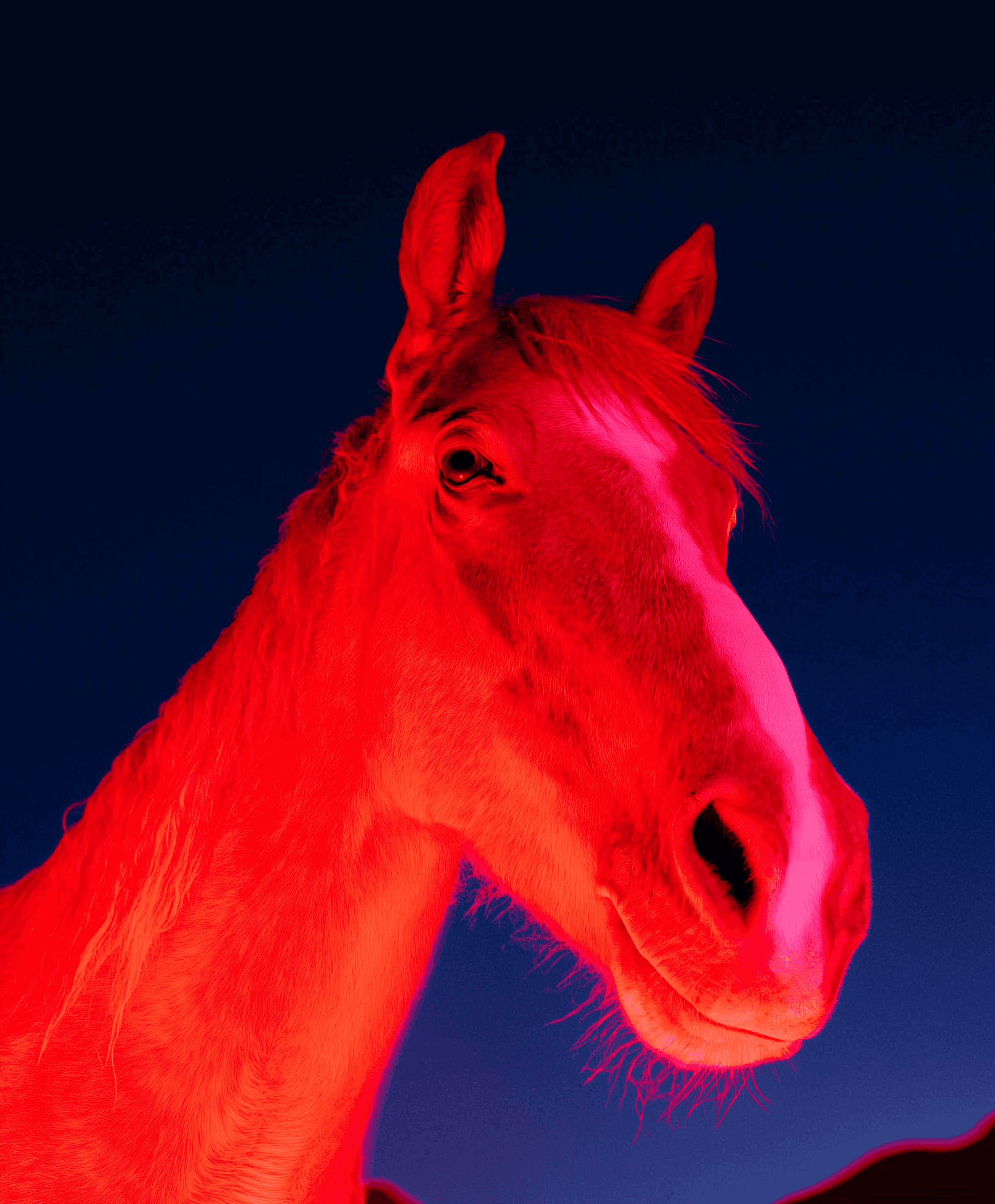

Learn why authentic photography increases engagement by 65% and how to create real visual content on any budget.
That perfectly lit, ethnically diverse group laughing over salads isn't fooling anyone anymore. After shooting custom photography for brands like Channel Islands Distillery and Bom Dia Açaí, I've seen firsthand how authentic visuals can transform a brand from ignorable to irresistible. The age of stock photography is ending—here's what's replacing it and how to adapt before your competitors do.
The Stock Photo Apocalypse: Why Generic Died
Consumers have developed stock photo blindness. They scroll past that handshake photo, that woman with a headset, that pristine office space without even consciously registering it. The numbers are brutal:
Authentic photography receives 65% more engagement than stock
Websites with real photos see 35% better conversion rates
User-generated content gets 4.5x more engagement than branded stock imagery
When everyone uses the same Unsplash photo, no one stands out. That popular "team meeting" stock photo appears on over 10,000 websites. Your unique value proposition drowns in a sea of sameness.
The Authenticity Spectrum: From iPhone to Production
Authentic doesn't mean amateur. It means real, relevant, and resonant with your actual brand:
Level 1: Smartphone Documentation - Behind-the-scenes Instagram Stories, team candids, work-in-progress shots. Good Boy Golf's workshop videos shot on iPhone outperform their professional product shots for engagement.
Level 2: Styled Reality - Professional photography of real people, places, and products. Channel Islands Distillery's product shots feature actual employees, real bar settings, local bartenders—styled but not staged.
Level 3: Branded Lifestyle - Curated scenarios that could happen but are optimized for brand storytelling. Tarantula Hill's event photography captures real moments but with strategic composition and timing.
Level 4: User-Generated Hybrid - Combining customer content with brand assets. Reposting, remastering, and integrating real customer moments into official channels.
Industry-Specific Visual Strategies
Food & Beverage: Process over perfection. Show the mess, the steam, the chef's concentration. Bom Dia Açaí's prep videos outperform perfect bowl shots 3:1.
Professional Services: Real team members over models. Actual office spaces over staged sets. Client work (with permission) over generic examples.
E-commerce: Lifestyle context over white backgrounds. Products in use, not just on display. Scale references, texture details, natural lighting.
B2B Software: Actual interface screenshots, real customer setups, genuine use cases. Skip the abstract tech backgrounds and meaningless circuit board patterns.
The DIY Professional Photography Playbook
You don't need a $50,000 production budget. You need strategy:
Equipment Basics:
Modern smartphone with portrait mode
One LED panel light ($100)
Simple backdrop system ($150)
Basic editing app subscription ($10/month)
Shooting Strategies:
Batch shoot monthly for efficiency
Create shot lists based on content calendar
Capture horizontal and vertical for platform flexibility
Overshoot—storage is cheap, reshoots aren't
Post-Production Consistency:
Develop preset filters for brand consistency
Maintain standard crop ratios
Create templates for text overlay
Build a naming system for asset management
When Stock Photography Still Works (Rarely)
Three acceptable use cases for stock:
Blog Post Headers: When the article topic is abstract and the image is purely decorative
Presentation Backgrounds: Where focus should be on content, not imagery
Placeholder Content: During development or pitch phases before real assets exist
Even then, choose stock that feels authentic: real expressions, natural lighting, imperfect moments.
The Legal Side Everyone Ignores
Authentic photography requires proper documentation:
Model releases for any recognizable person
Property releases for private locations
Usage rights clearly defined in photographer contracts
Employee handbook clauses for internal photography
One lawsuit eliminates all your stock photo savings.
Building Your Visual Asset Library
Start systematically building authentic assets:
Month 1-2: Audit current imagery, identify stock photo dependencies, create replacement priority list
Month 3-4: Begin monthly photo days, capture low-hanging fruit (team, workspace, products)
Month 5-6: Develop signature visual style, create templates, establish editing workflow
Ongoing: Dedicate 10% of marketing budget to visual content creation
The ROI of Real
Investment in authentic photography pays dividends:
Social media engagement increases 40-65%
Website time-on-page improves 25-30%
Brand recall jumps 80%
Customer trust metrics rise significantly
Good Boy Golf saw 3x ROI within six months of dropping stock photography. The custom lifestyle shoots paid for themselves in increased conversion rates alone.
Conclusion: Your Story, Your Visuals
Stock photography is visual plagiarism—telling your unique story with someone else's images. In 2025's trust economy, authenticity isn't a nice-to-have—it's survival. Every stock photo on your website is a missed opportunity to show what makes you different. Start small, shoot often, and watch what happens when your visuals finally match your values. Your audience is waiting to see the real you.

Let’s keep in touch.
Discover more about high-performance web design. Follow us on Twitter and Instagram.